
Discover how biometric lock systems are transforming home security across Canada. Learn about the benefits, features, and future of fingerprint locks, facial recognition, and more to help protect your home with high-tech, smart security solutions.
Why Biometric Lock Systems Are Revolutionizing Canadian Home Security
As technology continues to evolve, so does the way we protect our homes. Traditional locks and keys are gradually being replaced by more secure and convenient options. One of the most cutting-edge developments in home protection is the rise of biometric locks. These advanced lock systems use personal recognition methods like fingerprint locks and facial recognition to offer a smarter, safer way to secure your property.
For Canadian homeowners looking to upgrade their security, biometric security is no longer a futuristic concept—it’s a practical and available solution. Whether you’re in Toronto, Vancouver, Calgary, or a smaller town, biometric locks are now more accessible and affordable than ever before.
What Are Biometric Locks?
Biometric locks are high-tech locks that use personal biological data to grant or deny access. Instead of relying on keys or codes, these identity locks use features like fingerprints, facial features, iris patterns, or even voice recognition to identify authorized users.
Common Types of Biometric Locks
- Fingerprint Locks: These are the most common type of biometric locks. They scan and match your fingerprint for access.
- Facial Recognition: These systems scan facial features to identify individuals. They’re great for hands-free entry.
- Iris Scanners: Though more common in commercial or high-security settings, iris scanners are highly accurate and hard to bypass.
- Voice Recognition: Some newer models use voice identification to enhance security systems.
How Biometric Locks Work
Biometric locks work by capturing and storing biometric data (like a fingerprint). When someone tries to enter, the system compares the scanned data with the stored data. If there’s a match, access is granted. This process is quick, usually taking less than a second, and provides a secure and seamless entry experience.
Key Components of Biometric Systems
- Sensor: Captures the biometric data (e.g., a fingerprint or facial image).
- Processor: Converts the data into a digital format and compares it with stored entries.
- Software: Manages user profiles, access logs, and system settings.
Advantages of Biometric Locks for Canadian Homes
Biometric lock systems offer several benefits, making them an attractive choice for homeowners who value modern security and convenience.
1. Enhanced Security
Unlike traditional locks that can be picked or keys that can be lost, biometric systems are much harder to manipulate. Each person’s biometric data is unique, making it incredibly difficult for intruders to bypass the system. This adds a strong layer of future security for your home.
If you’re concerned about lock tampering or break-ins, biometric locks provide a level of protection that traditional locks simply can’t match. For homeowners seeking residential locksmith services that prioritize safety, this technology is a major upgrade.
2. Convenience and Keyless Entry
No more fumbling for keys in your bag or pocket. With biometric locks, your fingerprint or face is all you need to access your home. This is especially helpful during Canadian winters when gloves, snow, and freezing temperatures make traditional keys frustrating to use.
3. Customisable Access Control
Biometric systems let you control who has access to your home and when. You can register multiple users (family, friends, or service providers) and even set time restrictions. This feature is perfect for Airbnb hosts, house cleaners, or dog walkers who need limited access.
4. Activity Tracking and Alerts
Many biometric locks come with built-in tracking features. They can log who entered and at what time, and some models even send real-time notifications to your smartphone. This offers peace of mind when you’re away from home, knowing exactly who’s coming and going.
5. Integration with Smart Home Systems
Biometric locks are considered part of a smart security ecosystem. They can be integrated with other smart devices like security cameras, alarms, and lighting systems. Compatible with platforms like Google Home or Amazon Alexa, these locks provide full control from your mobile device or voice assistant.
Where Biometric Locks Fit in Canadian Homes
Biometric locks are versatile and can be installed in various parts of your home, depending on your specific security needs.
Main Entry Doors
The most common use is on the front door, where homeowners want the highest level of protection. Fingerprint locks and facial recognition systems provide fast and secure access without compromising curb appeal.
Interior Rooms
Want to secure a home office, gun safe, or storage room? Biometric locks can be added to interior doors for added privacy and protection. This is especially helpful for families with children or roommates.
Garages and Sheds
Many Canadians store valuable tools, bikes, and equipment in garages or backyard sheds. Installing a biometric lock on these structures ensures only authorized users can access them, reducing the risk of theft.
Multi-Unit Homes and Apartments
For property managers or landlords, biometric locks offer simplified access management. You no longer have to replace keys or locks when tenants change. Simply update the digital profile. If you’re managing multi-unit properties, commercial locksmith services from certified professionals can help with installation and maintenance.
Types of Biometric Locks Available in Canada
The Canadian market offers a wide range of biometric lock options, from basic fingerprint locks to advanced hybrid models that combine multiple recognition methods.
Standalone Biometric Locks
These are individual locks that function independently. They don’t need to be connected to a network or smart home system. Ideal for homeowners who want a simple upgrade without too many features.
Wi-Fi and Bluetooth Enabled Locks
These systems connect to your smartphone via Bluetooth or Wi-Fi, allowing remote access and control. You can lock or unlock your door from anywhere in the world—a valuable feature for frequent travellers or business owners.
Hybrid Smart Locks
Some models combine biometric recognition with PIN codes, RFID cards, or traditional keys. These provide multiple ways to access your home, which can be helpful in case of a power outage or system malfunction.
Facial Recognition Systems
Though more expensive, facial recognition locks are gaining popularity in major Canadian cities. They’re particularly useful for homes with seniors or people with disabilities who may struggle with keys or fingerprint sensors.
Are Biometric Locks Safe and Reliable in Canadian Weather?
One of the biggest concerns for Canadian homeowners is whether biometric locks can handle extreme weather conditions. Thankfully, many modern designs are built with Canada’s climate in mind.
Weatherproof Designs
High-quality biometric locks are made with waterproof and freeze-resistant materials. They’re tested for performance in temperatures ranging from -30°C to 50°C. Look for locks rated IP65 or higher for optimal protection against the elements.
Battery Life and Power Backup
Most biometric locks run on AA or rechargeable lithium-ion batteries. Good models can last up to 12 months on a single charge. Some also come with emergency power options like USB ports or backup keys in case the battery runs out.
Security Concerns and Data Protection
Privacy is a critical issue when it comes to biometric data. Reputable biometric locks use encrypted storage to protect your personal data. Choose locks that comply with Canadian data protection regulations and offer firmware updates to guard against vulnerabilities.
When to Call a Professional Locksmith
While some homeowners may feel comfortable installing biometric locks themselves, professional installation ensures optimal performance and security. Improper setup can lead to system failures or leave vulnerabilities.
If you need expert locksmith advice or help with installation, Fix Experts’ locksmith services cover everything from consultation to ongoing maintenance. Our team of certified technicians is trained in the latest lock technologies and follows all Canadian building and security standards.
Emergency Situations
What happens if your biometric lock malfunctions or you’re locked out? Don’t worry—emergency locksmith services are available 24/7 to help you regain access and fix any issues on the spot.
Automotive Biometric Lock Trends
While still emerging, biometric security is beginning to enter the automotive world. Some high-end vehicles are incorporating fingerprint or facial recognition for keyless ignition and entry. If you’re exploring modern solutions for your car, car locksmith services can help you stay ahead of the curve.
Cost and Value of Investing in Biometric Locks
When it comes to protecting your home, investing in biometric locks offers long-term value. Prices can range from $150 to $800 depending on features, brand, and installation needs. While the upfront cost may be higher than traditional locks, the benefits in security, convenience, and peace of mind are well worth it.
Factors That Affect Cost
- Type of biometric system: Fingerprint locks are usually more affordable than facial recognition models.
- Smart home integration: Systems that connect to Wi-Fi or smart hubs tend to cost more.
- Installation complexity: Retrofitting older doors or electrical setups may require additional labour.
Eligible for Insurance Discounts
Some Canadian insurance providers offer discounts on home insurance premiums for homes equipped with advanced security systems, including biometric locks. Check with your insurer to see if you qualify for reduced rates.
In the next section, we’ll look at how to choose the right biometric lock for your home, how to maintain it, and what the future of identity locks looks like across Canada’s residential communities.
How to Choose the Right Biometric Lock for Your Canadian Home
With so many options available, selecting the best biometric lock for your home can feel overwhelming. Whether you’re looking for simple fingerprint locks or a more advanced facial recognition system, it’s essential to choose a solution that fits your lifestyle, budget, and security needs. Here’s a breakdown of what to consider when shopping for high-tech locks in Canada.
Assess Your Security Needs
Start by identifying which areas of your home need enhanced security. Your front door may require a more advanced lock than your garage or interior storage room. If you frequently have guests, service workers, or renters, look for locks that support multiple user profiles and access logs. For homes in urban areas like Toronto or Montreal, where security concerns might be higher, advanced biometric security is especially valuable.
Choose the Right Biometric Technology
Each type of biometric lock has its pros and cons:
- Fingerprint locks: Reliable, fast, and suitable for most Canadians. They work well in all seasons, even in winter with gloves off.
- Facial recognition: Offers hands-free access, which is great for homes with children or elderly residents. They perform best in well-lit areas.
- Hybrid systems: Provide multiple access options (biometric, PIN, key), ideal for those who want flexibility and backup entry methods.
If you’re unsure, consult with residential locksmith services to assess your home’s layout and recommend the best solution.
Consider Smart Integration
Many modern security systems are compatible with smart home devices. If you already use systems like Google Nest, Amazon Alexa, or Apple HomeKit, choose a biometric lock that integrates seamlessly. This allows you to control access remotely, receive entry alerts, and even integrate with other smart features like lighting and video surveillance.
Evaluate Durability and Weather Resistance
Canadian winters can be harsh, so it’s crucial to choose locks built to withstand our unique climate. Look for models with weather-resistant ratings like IP65 or higher and temperature operating ranges that include sub-zero conditions. Stainless steel or coated finishes are also recommended for durability.
User-Friendly Features
The best biometric locks are intuitive and easy to use. Look for features like:
- One-touch or automatic fingerprint recognition
- Voice prompts or LED indicators
- Easy-to-navigate apps for remote control
- Fast response times under 1 second
Make sure the lock you choose has a user-friendly interface for both set-up and daily use.
Installation Requirements
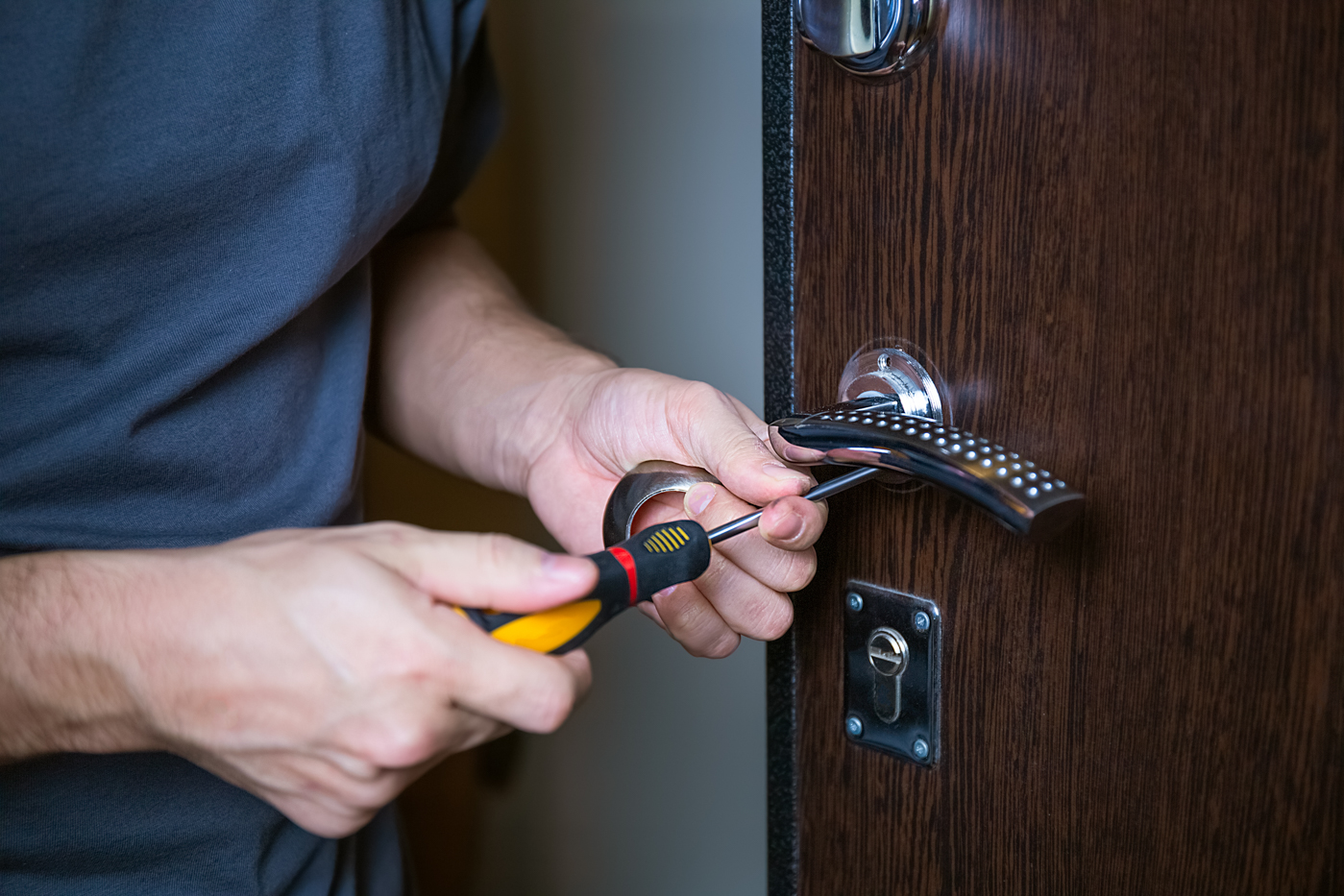
Some biometric locks are designed for DIY installation, while others may require professional help, especially if they involve electronic wiring or retrofitting older doors. Poor installation can affect performance, so if you’re unsure, it’s best to rely on professional locksmith services to ensure the job is done right the first time.
Maintaining Your Biometric Lock System
Once your lock is installed, proper maintenance is key to keeping it in top shape. Unlike traditional locks, biometric systems require both mechanical and digital upkeep. Here’s how to extend the life of your identity locks and ensure they continue to protect your home.
Regular Cleaning
Biometric sensors can become less responsive if they’re dirty or scratched. Clean the fingerprint scanner or facial recognition lens regularly using a soft cloth and gentle cleaning solution. Avoid using harsh chemicals that could damage the sensor.
Firmware Updates
Most smart locks receive firmware updates that improve performance and fix vulnerabilities. Ensure your lock’s app is up-to-date and enable automatic updates if available. This is especially important for future security and protection against hacking attempts.
Battery Monitoring
Most biometric locks run on batteries, so it’s important to monitor power levels. Many locks will alert you when battery life is low, but it’s good practice to check manually once a month. Keep backup batteries or a power bank nearby in case of emergencies.
Test Functionality Regularly
Check that all registered biometrics still work properly, especially if you’ve added new users. Test emergency keys or backup PIN codes occasionally to ensure they function as expected. This is particularly helpful if the lock is in a high-traffic area or shared space.
Professional Inspections
Just like any mechanical system, biometric locks benefit from occasional check-ups. Schedule a service call with emergency locksmith services if you notice delays, access issues, or error messages. A professional can diagnose problems early and prevent lockouts or security failures.
The Future of Biometric and Smart Security in Canada
As technology continues to evolve, the future of smart security in Canada is looking brighter than ever. Biometric locks are just the beginning. Let’s explore what lies ahead for homeowners looking to embrace the next generation of advanced locks.
AI Integration and Behavioural Biometrics
Future biometric systems may use artificial intelligence to analyse behavioural patterns—like how you walk, type, or speak—to confirm identity. These multi-layered systems will offer even more secure and personalized access control. Combined with traditional biometrics, they’ll create a layered security approach unmatched by current methods.
Cloud-Based Access Management
Cloud integration is becoming more common, allowing homeowners to manage and monitor access from anywhere in the world. Whether you’re on vacation or at the office, cloud-based systems let you add, remove, or restrict users in real time. They also store access logs securely, which is helpful for both homeowners and landlords.
Biometric Encryption Improvements
With growing concerns around data privacy, future personal recognition systems will use stronger encryption methods to protect stored biometric data. Look for upcoming models that use blockchain technology or decentralized storage to eliminate the risk of mass data breaches.
Expanded Use in Commercial and Rental Properties
As adoption increases, biometric locks will become standard in commercial locksmith services and rental housing. Property managers will enjoy the benefits of remote access control and simplified tenant transitions, while renters will appreciate the added convenience and security.
Integration with Emergency Services
Some systems under development will allow temporary access to emergency responders during crises. Whether it’s a fire, medical emergency, or break-in, these systems could automatically grant access to first responders while notifying the homeowner.
Practical Tips for Canadian Homeowners Using Biometric Locks
Whether you already have a biometric system or are considering one, these practical tips will ensure you get the most out of your investment.
1. Register Multiple Biometrics
Always register more than one fingerprint or face—ideally from different family members. This ensures someone can still gain access if one sensor fails or your finger is dirty or injured. Some systems allow up to 100 profiles, which is more than enough for most households.
2. Use a Backup Entry Method
Even the best biometric systems can fail due to dead batteries or technical issues. Choose a lock that includes a backup key or keypad entry option. Store physical keys in a secure location like a lockbox or with a trusted neighbour.
3. Keep the App Secure
If your lock connects to a mobile app, make sure your phone is password-protected. Enable two-factor authentication on the app when available. This prevents unauthorized users from accessing your home through your device.
4. Educate Family Members
Make sure everyone in your household knows how to use the biometric system properly. Children and seniors may need additional guidance. Go over backup procedures in case of a lock issue or power outage.
5. Sync With Other Smart Devices
Consider pairing your biometric lock with other smart security tools like surveillance cameras, smart doorbells, or motion-activated lights. This creates a full ecosystem of modern security for comprehensive protection.
Conclusion: Embrace the Future of Home Security with Fix Experts
Biometric lock systems are no longer just a futuristic dream—they’re a practical, effective, and increasingly popular solution for homeowners across Canada. Whether you’re looking for the simplicity of fingerprint locks, the convenience of facial recognition, or the flexibility of hybrid systems, there’s a solution to meet your needs and budget.
As Canadian homes continue to get smarter, investing in high-tech locks isn’t just about security—it’s about peace of mind, convenience, and staying ahead in an ever-evolving world. With the right system and proper maintenance, your biometric lock can serve as a reliable cornerstone of your home’s security for years to come.
If you’re ready to upgrade or need help choosing the right product, Fix Experts’ professional locksmith services are here to guide you every step of the way. From consultations to installations and 24/7 support, our certified technicians bring expert knowledge and friendly service right to your door.
Don’t wait to protect your home with the latest in smart security. Call Fix Experts today or visit our website to learn more and book a service. Your future of secure, keyless living starts now.