
Understanding the key differences between residential and commercial garage doors is essential for choosing the right system for your property. This guide explains the materials, installation needs, safety considerations, and maintenance requirements of both types of doors.
Understanding the Key Differences Between Residential and Commercial Garage Doors
Garage doors serve a vital purpose for both homes and businesses across Canada. Whether you’re looking to secure your family vehicle or safeguard commercial inventory, choosing the right type of garage door is a decision that impacts safety, efficiency, and long-term cost. While residential and commercial garage doors might look similar at first glance, they have different requirements in terms of materials, design, functionality, and installation. In this article, we’ll break down these differences to help Canadian homeowners and business owners make informed decisions.
Purpose and Usage
The first and most apparent difference between residential and commercial garage doors lies in their intended use. Residential garage doors are designed primarily for home use. They’re built to accommodate one to three cars, opened a few times a day to let vehicles in and out of a personal garage. On the other hand, commercial garage doors are made for industrial or business environments where they may open and close dozens or even hundreds of times per day.
Because of the frequency of use, commercial doors tend to require more robust materials and components. For example, the garage door spring in a commercial setting will have a higher cycle rating, meaning it can handle more open-close cycles before it needs to be replaced. This affects not only the durability but also the garage door spring replacement cost over time. Homeowners typically won’t need to replace their springs as often as business owners might.
Design and Aesthetic Appeal
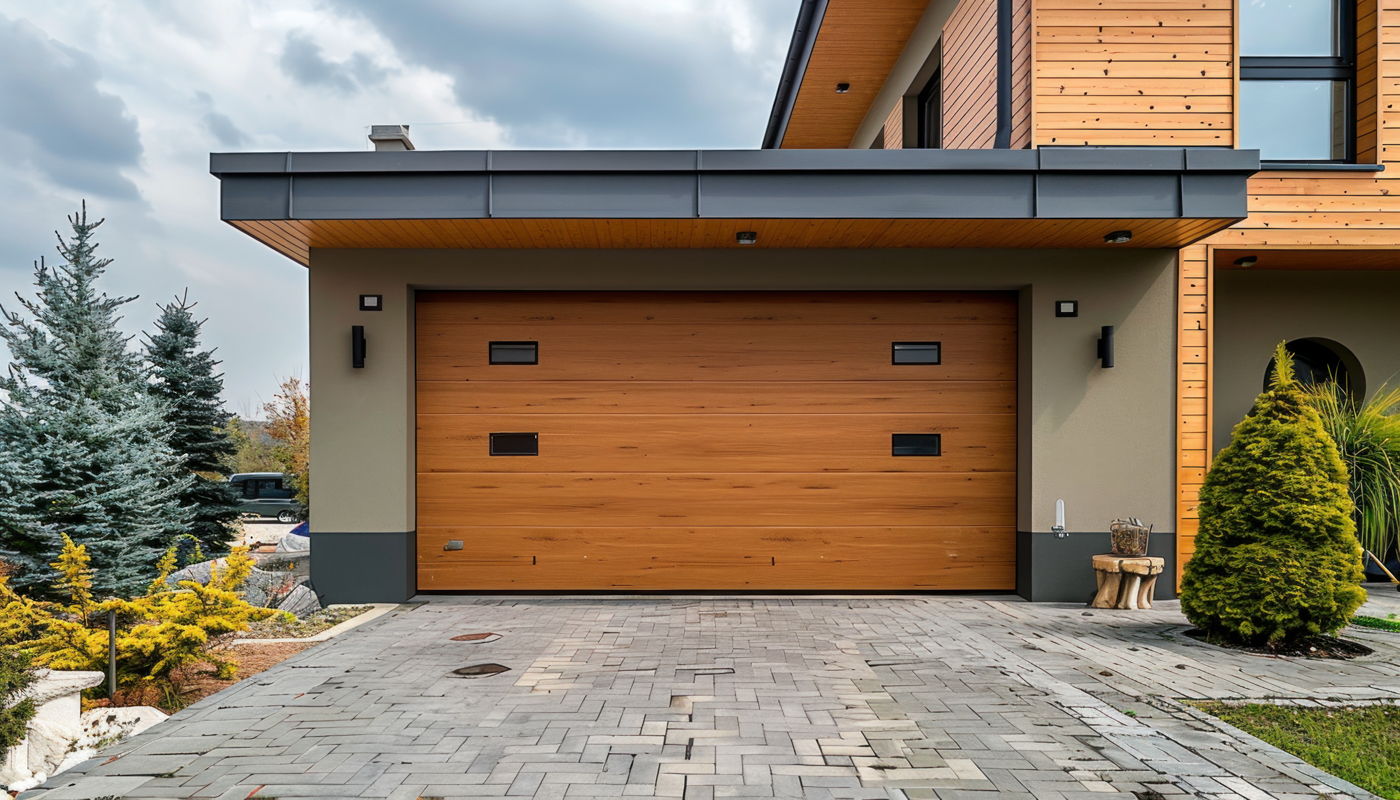
Residential garage doors are often chosen with aesthetics in mind. Homeowners want their garage doors to match the architectural style and exterior colour of their home. This is where elements like garage door trim, garage door seal, and garage door weather stripping come into play—not only for insulation and protection but also to enhance curb appeal.
In contrast, commercial garage doors prioritize function over form. They are often larger, heavier, and built using materials like galvanized steel or aluminum. While some commercial doors, such as those used in car dealerships or retail spaces, may feature glass panels or sleek finishes, most are designed for durability, security, and performance over looks.
Structural and Material Differences
Size and Dimensions
Residential garage doors typically range from 7 to 8 feet in height and 8 to 16 feet in width. They are designed to fit standard vehicles like cars, SUVs, and small trucks. On the other hand, commercial garage doors can be significantly larger to accommodate delivery trucks, industrial equipment, and even semi-trailers.
This size difference also affects installation. If you need expert garage door installation, it’s important to choose professionals who understand the requirements for your specific use case. Installing a larger, heavier commercial door requires different tools, equipment, and expertise than a standard residential door.
Materials Used
Residential garage doors in Canada are commonly made from materials like:
- Steel – Durable and affordable
- Wood – Offers a classic, luxurious look
- Fibreglass – Lightweight and resistant to corrosion
- Vinyl – Low maintenance and dent-resistant
Commercial garage doors, however, often use industrial-grade materials such as:
- Galvanized steel – For added strength and resistance to rust
- Aluminum – Lightweight for frequent use
- Insulated steel – Ideal for temperature-controlled environments
The choice of material not only impacts durability but also affects energy efficiency, particularly in Canada’s cold climate. Proper garage door weather stripping and insulation are crucial in both settings, but especially in commercial applications where energy costs can be significant.
Tracks and Hardware
The hardware used in commercial doors is typically more robust. For instance, the garage door track in a commercial system is designed to support more weight and withstand higher usage. If your door is misaligned or noisy, garage door track repair may be necessary to keep things running smoothly.
Residential tracks are often lighter and may not need the same degree of reinforcement. However, regular maintenance is still key to preventing premature wear and tear, especially in regions with fluctuating weather conditions.
Operational Mechanisms and Safety Requirements
Opening Systems
Both residential and commercial garage doors can operate manually or with an automatic opener. However, commercial doors often require high-lift or full vertical lift systems to accommodate tall vehicles and maximize ceiling space. These systems are more complex and typically demand professional installation.
Residential openers are simpler and more user-friendly, often equipped with smart features like smartphone connectivity and battery backup. These conveniences aren’t always necessary in a commercial setting, where function outweighs tech amenities.
Spring Systems
As mentioned earlier, the garage door spring is a critical component that helps lift and lower the door. There are two main types of springs:
- Torsion Springs – Common in both residential and commercial doors; mounted above the door and provide balanced lifting
- Extension Springs – More often found in residential doors; located on the sides and stretch to provide lift
Commercial doors typically use heavy-duty torsion springs designed for thousands of cycles. These springs are more expensive to replace, contributing to a higher garage door spring replacement cost. In residential settings, spring replacement is more affordable but still essential for safety and performance.
Safety Standards and Compliance
In Canada, garage doors must meet specific safety standards outlined in the National Building Code and applicable provincial regulations. These standards include:
- Proper emergency release mechanisms
- Safety sensors for automated systems
- Secure mounting hardware and counterbalance systems
Commercial properties may face stricter safety compliance, especially in high-traffic areas or where hazardous materials are stored. Residential doors also require safety features, particularly if children or pets are present. Regular inspections and maintenance help ensure your system complies with Canadian safety standards.
Weatherproofing and Insulation
Canada’s harsh winters make weatherproofing a top priority for any garage door. Both residential and commercial doors benefit from proper garage door weather stripping and a tight garage door seal. These components keep out cold air, moisture, dust, and pests while helping maintain indoor temperatures.
In residential settings, weatherproofing also helps reduce heating bills and prevent damage to belongings stored in the garage. In commercial facilities, it can protect inventory, tools, and machinery from extreme temperatures and humidity.
If you notice drafts, water leaks, or increased energy bills, replacing your garage door weather stripping or seal can be a simple yet effective solution.
Installation and Maintenance Needs
Installation Complexity
Installing a garage door—whether residential or commercial—is not a simple DIY task. It involves precise measurements, proper alignment, secure mounting, and safe handling of heavy components like the garage door spring. If done incorrectly, it can lead to operational issues or safety hazards.
If you’re unsure where to start, contact our certified technicians for professional garage door installation services. We’ll ensure your door is installed safely and efficiently, whether it’s for your home or business.
Maintenance Frequency
Commercial garage doors require more frequent maintenance due to their heavy usage. This includes:
- Lubricating moving parts
- Inspecting garage door tracks and rollers
- Testing spring tension
- Checking garage door seals and weather stripping
Residential garage doors still require regular maintenance, ideally once or twice a year. Catching minor issues early—like a worn-out seal or misaligned track—can save you from costlier repairs down the road.
Learn more about our professional garage door repair services to keep your system in top shape year-round.
Cost Considerations
The cost of a garage door system varies widely depending on size, material, opener type, and additional features. For homeowners, affordability and aesthetics are top priorities. In industrial settings, durability, security, and efficiency drive the budget.
Some common cost factors include:
- Garage door spring replacement cost – Typically higher for commercial systems
- Garage door track repair – Depends on the severity of misalignment or damage
- Installation labour – More complex systems require more time and expertise
- Insulation and sealing upgrades – Important for energy efficiency in Canadian climates
While commercial systems may have a higher upfront cost, they’re built to last. Residential systems, on the other hand, offer excellent value for homeowners looking for durability and curb appeal without breaking the bank.
Performance and Longevity
Durability Over Time
One of the most important differences between residential and commercial garage doors is how long they last and how they perform over time. Commercial garage doors are built to endure heavy-duty use. They often operate many times a day in demanding environments, such as warehouses, loading docks, and automotive shops. Because of this, they are constructed with high-grade materials and reinforced components that are designed for longevity and consistent performance.
Residential garage doors, by contrast, experience much lighter use. Most homeowners open and close their garage doors just a few times daily. That means while residential doors are still made to be durable, they don’t require the same industrial-grade components. However, they can still benefit from upgrades such as garage door weather stripping and a quality garage door seal to improve performance in Canada’s harsh weather.
Cycle Life of Garage Door Springs
The garage door spring is a key part of your door’s performance and longevity. Commercial springs are rated for tens of thousands of cycles, making them suitable for high-frequency use. Residential springs may be rated for 10,000 to 15,000 cycles, which is typically enough for daily home use. However, when a spring wears out, it must be replaced promptly to avoid damage or injury. That’s where understanding the garage door spring replacement cost becomes important.
For homeowners, replacing a residential spring is often less expensive and quicker than in commercial setups. But both types of springs require expert handling due to the tension they hold. If your spring is showing signs of wear—like making noise or not lifting the door properly—it’s time to call in professional garage door repair services.
Weather Resistance and Environmental Factors
Canada’s climate brings a wide range of challenges, from freezing winters to humid summers. Both types of doors must be equipped to handle temperature changes, moisture, and wind. For that reason, quality garage door trim, seals, and insulation are important for both homes and commercial properties.
Residential garages often store personal items, vehicles, and sometimes even double as workshop or storage spaces. This makes it important to keep them warm and dry. Proper insulation combined with high-quality garage door weather stripping can significantly improve thermal performance and reduce energy costs.
Commercial garages may house valuable inventory or machinery that can be damaged by extreme temperatures or humidity. In these cases, investing in insulated commercial doors and regular maintenance of garage door seals is essential to protect your assets and maintain operational efficiency.
Customisation and Features
Design Flexibility
When it comes to customisation, residential doors offer more variety. Homeowners can choose from various colours, panel designs, window options, and decorative hardware to match the style of their home. Many also opt for additional features like smart openers, built-in lighting, and quiet operation systems.
Commercial doors, while more limited in design options, can be customised based on operational needs. For example, a fire station may use fast-opening doors, while a warehouse may need sectional doors with clear window panels for better visibility. Many commercial doors also include heavy-duty locks and security systems to protect valuable inventory.
Whether you’re building new or upgrading an existing system, Fix Experts provides complete garage door services that can help you choose the best options for your property.
Smart Technology Integration
Smart technology is becoming increasingly popular in residential garage doors. Features like remote access via smartphone apps, automatic lighting, motion detection, and voice control can add convenience and improve home security. These upgrades make daily use easier and give homeowners peace of mind by allowing them to monitor their garage from anywhere.
Commercial properties can also benefit from smart tech, particularly in logistics and fleet management. Smart openers can track opening and closing times, integrate with security systems, and even provide data analytics for operational efficiency. These features are especially useful for managing multiple doors or access points in large facilities.
Repair and Replacement Considerations
Common Repair Issues
Both residential and commercial garage doors can face common issues over time, including:
- Broken springs
- Misaligned garage door tracks
- Worn-out weather seals
- Damaged panels
- Malfunctioning openers
For residential doors, these issues are often caused by age, weather exposure, or lack of maintenance. For commercial systems, wear and tear from frequent use is the main culprit. A worn or bent garage door track can prevent smooth operation and lead to bigger mechanical failures if not addressed early. In such cases, garage door track repair should be done by qualified professionals to restore proper alignment and function.
When to Replace Instead of Repair
Sometimes, replacing your garage door is more cost-effective than continuous repairs—especially if:
- The door is over 15-20 years old
- There’s significant structural damage
- The system lacks modern safety features
- You want to improve energy efficiency or curb appeal
Commercial properties may upgrade their doors for operational efficiency, security enhancements, or compliance with new regulations. Residential upgrades are often driven by aesthetics, insulation improvements, or smart home integration. If you’re unsure whether to repair or replace, our team can help assess your needs and provide expert recommendations for your garage door installation.
Choosing the Right System for Your Property
Factors to Consider
Whether you’re a homeowner or a business owner, choosing the right garage door system comes down to a few key factors:
- Usage frequency – Daily home use vs. frequent commercial operation
- Size requirements – Standard vehicle access vs. industrial equipment clearance
- Security needs – Basic locks vs. advanced access control
- Insulation and sealing – Energy efficiency and climate control
- Budget – Initial investment vs. long-term value
Residential systems are typically designed with cost-efficiency and aesthetics in mind. Commercial systems prioritize durability, performance, and safety. Regardless of the application, both types of doors benefit from regular inspections and routine maintenance to ensure longevity and reliable function.
Professional Advice Matters
Garage doors are complex mechanical systems. While homeowners can handle basic upkeep like cleaning and lubricating tracks, more serious tasks—like garage door spring replacement or garage door track repair—should always be left to professionals. Springs are under high tension and can cause serious injury if mishandled.
If you’re considering a new system or need repairs, professional garage door repair services from Fix Experts ensure your system is safe, reliable, and up to code. We service all types of residential and commercial doors across Canada.
Conclusion
Residential and commercial garage doors may serve similar purposes—providing security, access, and insulation—but their requirements are vastly different. From materials and design to safety features and maintenance needs, understanding these differences is vital to choosing the right system for your property.
Homeowners benefit from doors that offer style, energy efficiency, and convenience, while business owners require durable, high-performance doors that withstand frequent use and meet rigorous safety standards. Regardless of your needs, Fix Experts offers trusted expertise for garage door installation, repair, and maintenance across Canada.
Whether you’re installing a new door, upgrading an old one, or simply need a quick repair, our certified technicians are here to help. Contact Fix Experts today for reliable service and expert advice tailored to your home or business. We’re your local go-to for all things garage doors—built for Canadian weather, backed by Canadian values.