
Lock picking awareness helps homeowners understand how common locks work, where lock vulnerabilities may exist, and what practical steps improve lock security. This guide explains the basics in a safe, educational way, with clear protection methods, pick-resistant locks, and smart security knowledge for Canadian homes.
Why Lock Picking Awareness Matters for Home Security
Lock picking awareness is not about teaching break-ins. It is part of security education that helps homeowners make better decisions about lock protection, door hardware, and overall home safety. When you understand how criminals look for weak entry points, you can improve your security consciousness and reduce risk.
Many Canadian homeowners assume a locked door is enough. In reality, lock security depends on several factors: the quality of the lock, the strength of the door frame, correct installation, and how well the whole entry system works together. A cheap lock on a weak door does not offer strong protection. Good security knowledge starts with seeing your home as a full system, not just a single lock.
What lock picking means in a security education context
In simple terms, lock picking is the manipulation of a lock without the original key. For homeowners, the important point is not the method itself, but the lesson behind it: some locks are easier to manipulate than others. This is why awareness training matters. It helps you spot outdated hardware, understand lock vulnerabilities, and choose stronger options.
For example, older pin tumbler locks with basic designs may offer less resistance than modern high-security products. Wear and tear can also affect performance. A lock that sticks, turns too loosely, or has been damaged may be more vulnerable than you think. If you are unsure about the condition of your hardware, professional locksmith services can help assess your current setup.
Why some homes face higher risk
Not every home has the same exposure. Corner lots, homes with hidden side doors, rental units, and houses with older doors often face greater lock vulnerabilities. In busy areas like Toronto, Mississauga, Ottawa, Hamilton, and Brampton, homeowners may also deal with higher traffic around the property, which can make unnoticed entry attempts easier.
Other risk factors include:
- Basic builder-grade locks
- Loose strike plates or short screws
- Glass near the door lock
- Poor outdoor lighting
- Doors that no longer close tightly
- No secondary security features
Security education helps you identify these issues early. Even simple upgrades can improve lock protection and make your home a less appealing target.
Common myths that weaken security consciousness
One common myth is that all deadbolts offer the same level of protection. They do not. Another is that lock picking is the main threat in every break-in. In truth, forced entry, weak frames, and unlocked doors are also major concerns. Good awareness training means looking at both covert and obvious weaknesses.
Another myth is that DIY installation always saves money. A poorly aligned deadbolt or loose cylinder can reduce lock security, even if the hardware itself is high quality. If a door is warped or damaged, the lock may never perform as intended until the door is repaired. In these cases, proper door repair services can be just as important as changing the lock.
Understanding Lock Vulnerabilities in Everyday Residential Locks
To improve security knowledge, it helps to know where residential locks can fall short. Most homeowners in Canada use standard deadbolts, knob locks, lever locks, patio door locks, and smart locks. Each type has strengths and weaknesses, and each should be matched to the door and location.
Pin tumbler locks and basic weaknesses
The most common residential lock is the pin tumbler lock. It is widely used because it is affordable and familiar. However, lower-quality versions may have fewer security features and can sometimes be manipulated more easily than premium models. This does not mean every standard lock is unsafe, but it does show why pick-resistant locks are worth considering.
Some weaknesses that affect these locks include:
- Simple internal pin designs
- Low manufacturing tolerances
- Worn keys and worn keyways
- Poor installation alignment
- Lack of anti-tamper features
For better lock protection, homeowners should look for deadbolts tested to recognized performance standards, including products commonly rated under ANSI/BHMA grading systems used across North America. While local building code requirements vary by province and municipality, quality-rated hardware is generally a smart step for residential security.
The difference between lock strength and door strength
A strong lock on a weak door is a common problem. Many lock vulnerabilities are not inside the cylinder at all. They are found in hollow doors, weak jambs, short screws, or cracked frames. This is why security education should always include the full entry point.
Ask yourself these questions:
- Is the door solid-core or metal-clad?
- Is the strike plate reinforced?
- Are the hinge screws long enough to reach the framing?
- Does the deadbolt extend fully into the frame?
- Is there visible movement when the door is closed?
If the answer to several of these is no, your lock security may be weaker than expected. Homeowners planning upgrades may benefit from broader doors and windows services to improve both hardware and structural support.
How wear, weather, and poor maintenance create vulnerabilities
Canadian weather can affect locks more than many people realize. In winter, freezing temperatures can cause stiffness and misalignment. In humid seasons, wood doors may swell. Over time, repeated use can loosen hardware or shift the strike point. These issues may not seem serious, but they can reduce the effectiveness of pick-resistant locks and other security features.
Warning signs homeowners should not ignore
- The key is hard to insert or remove
- The deadbolt does not throw smoothly
- The lock feels loose or wobbly
- The door rubs against the frame
- There are scratches or marks around the keyway
These signs do not always point to tampering, but they do suggest the need for inspection. Regular maintenance is part of good security consciousness. Lubricating the lock properly, tightening hardware, and checking alignment can help preserve lock protection over time.
Pick-Resistant Locks and Better Protection Methods for Canadian Homes
The best response to lock vulnerabilities is layered protection. Pick-resistant locks are one part of that strategy, but not the only part. Real security knowledge means combining quality hardware with good habits, strong installation, and smart home planning.
What makes a lock more pick-resistant
Pick-resistant locks often include advanced internal features designed to make manipulation much harder. Depending on the model, these may include security pins, restricted keyways, tighter tolerances, reinforced cylinders, and anti-drill components. For homeowners, the goal is not to memorize technical terms, but to choose products that offer stronger real-world protection.
When shopping for new hardware, look for:
- Grade 1 or Grade 2 deadbolts where appropriate
- High-security cylinders
- Reinforced strike plates
- Trusted brands with tested performance ratings
- Professional installation for proper fit
If you are not sure which lock suits your home, it is wise to contact locksmith experts for recommendations based on your door type, neighbourhood, and daily use.
Practical protection methods beyond the lock itself
Homeowners can improve lock security with several simple protection methods:
- Upgrade to a reinforced strike plate with long screws
- Install motion lighting near entry doors
- Trim shrubs around doors and ground-floor windows
- Use a door viewer or smart camera
- Rekey locks after moving into a new home
- Check garage-to-house entry doors as carefully as front doors
Garage access is often overlooked in awareness training, yet it can be a major weak point. An attached garage should have strong locks and a secure interior entry door, not just a dependable overhead system. Homeowners reviewing all entry points can also explore the broader advice and updates available on the home security blog.
With the right mix of security education, upgraded hardware, and regular maintenance, Canadian homeowners can build stronger everyday protection and make informed choices about their property.
Awareness Training for Better Lock Protection at Home
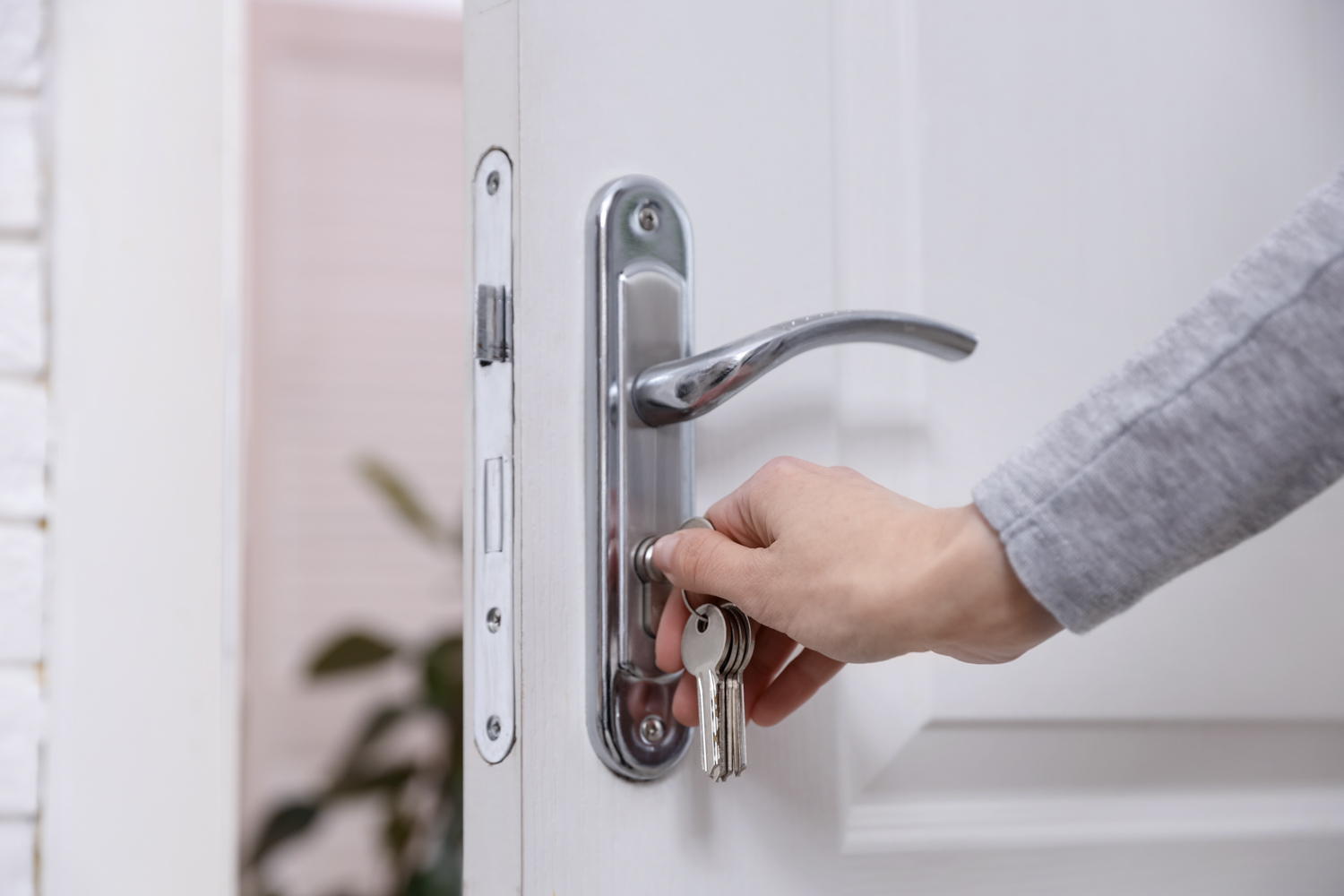
Security awareness works best when it becomes part of your regular home routine. In practical terms, awareness training means learning how to spot weak points, testing whether your doors and locks still work properly, and making upgrades before a problem appears. This kind of security education is useful for homeowners in Toronto, Ottawa, Mississauga, Hamilton, Brampton, and other Canadian cities where older homes and changing weather can affect lock security.
A simple monthly check can improve security consciousness right away. Open and close each exterior door, test the deadbolt, inspect the strike plate, and look for gaps between the door and frame. If a lock feels rough or the bolt does not extend fully, that may point to alignment issues, wear, or hidden lock vulnerabilities. Good security knowledge means taking these small warning signs seriously instead of waiting for a lockout or failure.
A practical home security checklist
If you want a clear starting point for lock picking awareness and overall lock protection, use this checklist around your home:
- Confirm every exterior door has a quality deadbolt
- Check that hinge screws are long and secure
- Make sure the strike plate is reinforced
- Test whether doors latch tightly without wobbling
- Inspect sliding and patio doors for secondary locking devices
- Review basement, side, and garage entry doors
- Replace damaged or outdated cylinders
- Rekey locks after moving, renovating, or losing keys
This type of awareness training supports better protection methods because it looks beyond the lock alone. It also helps homeowners decide when a simple fix is enough and when it makes sense to bring in residential locksmith services for a more complete assessment.
Teaching family members good security habits
Security education should include everyone in the home. Even the best pick-resistant locks cannot help much if doors are left unlocked, spare keys are hidden outside, or damage goes unreported. Children, teens, and older family members should all know basic safety habits, such as checking that doors are locked at night, never sharing access codes casually, and reporting a key that no longer works smoothly.
For households using smart locks, awareness training should also cover battery checks, code updates, and backup entry plans. For traditional locks, family members should know the difference between normal stiffness in cold weather and a lock that may be failing. This kind of shared security knowledge builds stronger daily lock protection.
Simple habits that improve security consciousness
- Lock doors even when you are home
- Do not leave keys in obvious outdoor hiding places
- Replace missing keys or rekey quickly
- Keep entry areas well lit
- Report loose hardware as soon as it appears
Choosing Upgrades That Reduce Lock Vulnerabilities
Once you understand where weaknesses exist, the next step is choosing upgrades that offer real value. Not every home needs the same hardware, but most can benefit from better lock security, stronger door support, and more reliable protection methods. The goal is to reduce easy opportunities and make unauthorized entry much more difficult.
When to replace standard hardware
Homeowners should consider replacement when locks are old, heavily worn, poorly installed, or clearly basic builder-grade products. In many Canadian homes, especially older properties, the original lock may still function but offer limited resistance to manipulation or force. That is where lock picking awareness becomes useful. It helps you see that “working” does not always mean “secure.”
Signs it may be time for an upgrade include repeated sticking, visible rust, loose cylinders, keys that copy too easily, or deadbolts that do not align cleanly. If you are planning a larger security refresh, professional home security and repair services can help coordinate lock work with door condition, frame reinforcement, and related entry-point improvements.
Features worth looking for in modern locks
For better lock protection, look for hardware designed with both durability and tamper resistance in mind. Pick-resistant locks often include security pins, stronger cylinders, and tighter internal tolerances. Some also offer restricted key systems, which can help control unauthorized key copying.
Useful features may include:
- ANSI/BHMA Grade 1 or Grade 2 ratings
- Anti-drill and anti-bump design elements
- Reinforced bolt assemblies
- Restricted or controlled keyways
- Weather-resistant finishes for Canadian conditions
It is also important to match the lock to the door. A side entry, garage entry, or rear door may need a different approach than a main front entrance. If the door itself is weak, upgrading the lock alone may not solve the problem. In those cases, proper door installation services can be part of a smarter long-term plan.
Do smart locks solve every problem?
Smart locks can be convenient, but they are not a complete answer to every security concern. They can improve awareness training by allowing homeowners to monitor access, change codes, and receive alerts. However, the physical hardware still matters. If the deadbolt, frame, or door is weak, digital features alone will not fix those lock vulnerabilities.
For many households, the best setup is a balanced one: quality mechanical security combined with useful smart features. That approach supports both security knowledge and everyday convenience. It also gives homeowners more control over who enters the home and when.
Building a Layered Security Plan for Canadian Homes
The strongest protection methods come from layering. That means using more than one line of defence so that if one weakness exists, the rest of the system still helps protect the home. Lock picking awareness fits into this approach because it encourages homeowners to think like planners, not just buyers of hardware.
How locks fit into a full entry security system
Good lock security should work together with lighting, visibility, door strength, windows, and garage access. For example, a strong deadbolt is more effective when paired with a reinforced frame, motion lighting, and a clearly visible entrance. A secure front door matters, but so does the side gate, the patio door, and the door from the garage into the house.
Many break-in risks come from neglected areas rather than the main entrance. A dark rear door, a loose basement entry, or a worn garage access point can undermine otherwise solid lock protection. Homeowners checking these areas may also want to review their full property with local security experts in Canada who understand regional housing styles and common concerns.
Seasonal maintenance and ongoing security knowledge
Canadian homes face freeze-thaw cycles, moisture, shifting frames, and heavy use through all seasons. That is why security education should not be a one-time task. Recheck locks before winter, after major storms, and any time a door starts dragging or swelling. Seasonal inspections help preserve pick-resistant locks and reduce avoidable wear.
Keep in mind that lock protection is strongest when maintenance, upgrades, and awareness training all work together. Homeowners who stay proactive usually spend less on emergency fixes and enjoy better peace of mind year-round.
Lock picking awareness is ultimately about making smarter choices, not creating fear. By understanding lock vulnerabilities, choosing pick-resistant locks where needed, and using practical protection methods, Canadian homeowners can build stronger everyday security. If you want expert help assessing your locks, doors, or entry points, contact Fix Experts for trusted advice and professional solutions tailored to your home.