
Learn how to install new locks in your home with this step-by-step residential lock installation guide. Whether you’re upgrading your door security or replacing old hardware, this practical guide offers expert tips for Canadian homeowners.
Why Lock Installation Matters for Canadian Homeowners
Lock installation is one of the most essential steps in securing your home. Whether you’re upgrading your door security, replacing worn-out hardware, or moving into a new property, a proper lock fitting can make a big difference in your overall safety and peace of mind. With break-ins and property theft a concern across many Canadian communities, having solid, well-installed locks is a critical part of home ownership.
In this guide, we’ll walk you through everything you need to know about residential lock installation—from choosing the right lock type to expert installation steps and useful safety tips. Whether you’re a DIY enthusiast or planning to hire a professional residential locksmith, this article is designed to help you make informed decisions that enhance your home’s security.
Common Reasons for Installing New Locks
- Moving into a new home
- Upgrading to high-security locks
- Replacing damaged or worn-out hardware
- Recovering from a break-in or attempted intrusion
- Switching to smart or keyless lock systems
Each of these situations calls for careful attention to the type and quality of lock being installed. Let’s explore the different options available to you.
Types of Door Locks for Residential Use
Before you start the lock installation process, it’s important to understand the various types of door locks available for residential use in Canada. Choosing the right lock can significantly improve your home’s security and functionality.
1. Deadbolt Locks
Deadbolts are one of the most common and secure types of locks used in Canadian homes. They come in three main types:
- Single-cylinder deadbolts: Operated with a key from the outside and a thumb turn from the inside.
- Double-cylinder deadbolts: Require a key on both sides, increasing security but potentially posing an issue in emergencies.
- Lockable thumb-turn deadbolts: These offer the best of both worlds—convenient on the inside and secure from the outside.
2. Knob and Lever Locks
While knob and lever locks are common for interior doors, they’re not ideal for exterior door security due to their vulnerability to forced entry. That said, they work well in combination with a strong deadbolt.
3. Smart Locks
Smart locks are becoming increasingly popular in Canada, especially in urban centres like Toronto, Vancouver, and Calgary. These locks allow keyless entry through mobile apps, keypads, or biometric sensors. They’re ideal for tech-savvy homeowners looking to modernize their home security systems.
4. Mortise Locks
Mortise locks are common in older Canadian homes and multi-unit buildings. They’re embedded into the door itself and offer a high level of security. These require professional installation due to their complex setup.
5. Rim and Surface-Mounted Locks
These locks are mounted on the surface of a door rather than being installed within it. While less common in modern homes, they can be found in heritage properties and certain apartment units.
Choosing the right lock depends on your specific needs and the type of door you are securing. Now that you know your options, let’s walk through the tools and materials you’ll need for a DIY installation.
Tools and Materials Needed for DIY Lock Installation
Before diving into the step-by-step installation guide, it’s important to gather all the tools and materials you’ll need. This ensures a smooth and efficient lock fitting process, especially if you’re attempting a DIY installation in your Canadian home.
Essential Tools
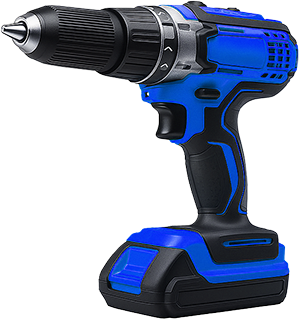
- Drill (corded or cordless)
- Drill bits (usually 1/8″, 1″, and 2 1/8″)
- Chisel (typically 1-inch)
- Hammer
- Screwdriver (Phillips and flathead)
- Tape measure
- Pencil or marker
- Level
- Hole saw kit (for deadbolt installations)
- Safety glasses and gloves
Lock Installation Materials
- New lockset (deadbolt, knob, or smart lock kit)
- Strike plate
- Mounting screws
- Template (usually included with lock kits)
- Wood filler (in case of errors or old holes)
Having these items ready will save you time and reduce frustration during your installation. Now, let’s get into the actual steps of lock setup.
Step-by-Step Guide to Residential Lock Installation
Installing a new lock is a manageable home improvement project for most Canadian homeowners. However, it requires precision and patience. Follow these steps for a smooth and secure door lock installation.
Step 1: Remove the Old Lock
If you’re replacing an existing lock, start by removing the old hardware. Using a screwdriver, unscrew the interior knobs or levers and pull them apart from both sides of the door. Next, remove the latch and strike plate from the edge of the door and door frame.
Tip:
Keep all screws and parts in a small container in case you need them later. Take note of the old lock’s dimensions if you’re planning to install a similar model.
Step 2: Mark and Measure for the New Lock
Use the template provided with your new lock to mark the locations for the holes. Standard height for door locks in Canada is about 36 inches from the bottom of the door. Use a tape measure and level to ensure accuracy.
Mark the following:
- The face bore (main hole for the lock body)
- The edge bore (for the latch or bolt)
- The strike plate location on the door frame
Step 3: Drill the Face and Edge Bores
Using a hole saw and the appropriate bit size (usually 2 1/8” for the face bore), drill straight through the door. Start on one side and finish from the other to avoid splintering the wood. Use a spade bit or auger bit for the edge bore (usually 1”).
Safety Note:
Always wear safety glasses and gloves when using power tools, especially when drilling through thick exterior doors.
Step 4: Chisel the Mortise for the Latch Plate
Insert the latch into the edge bore. Trace around the latch plate with a pencil. Remove the latch, then use a chisel and hammer to carve out a shallow mortise so the latch plate sits flush with the door edge.
Step 5: Install the Latch and Lock Mechanism
Insert the latch into the edge of the door and secure it with screws. Next, line up the exterior and interior parts of the lock through the face bore, ensuring the connectors align properly. Tighten all the screws securely but avoid overtightening, which can damage the hardware.
Step 6: Install the Strike Plate
Close the door and mark where the latch hits the door frame. Drill pilot holes and chisel out a shallow mortise for the strike plate. Secure it with screws. For extra strength, use 3-inch screws to anchor the strike plate into the wall stud.
Step 7: Test the Lock
Once everything is installed, test the lock by turning the knob or using the key. Make sure the latch moves smoothly and that the door closes and locks securely. Adjust as necessary.
Pro Tip:
If the latch doesn’t align with the strike plate, you may need to adjust the door or strike plate location slightly. A tight, well-aligned setup ensures your door security is reliable.
When to Call a Residential Locksmith
While many homeowners in Canada enjoy taking on DIY lock installation projects, there are times when calling a residential locksmith is the smarter option. If your door is misaligned, you’re installing high-security or smart locks, or you’re unsure about the procedure, expert help can save you time and money.
Benefits of Hiring a Residential Locksmith
- Professional-grade installation tools and experience
- Correct fitting for all lock types, including mortise and smart locks
- Knowledge of Canadian building codes and safety standards
- Troubleshooting for misaligned or damaged doors
- Access to better-quality locks and hardware
For professional locksmith services that ensure your locks are installed correctly, contact our certified technicians at Fix Experts. We offer dependable and fast service across Canada, helping keep your home safe and secure.
Emergency Lock Installation or Repair
If you’ve experienced a break-in or your lock has failed unexpectedly, don’t wait. Emergency locksmith services are available 24/7 to help restore your home’s security quickly and professionally.
Upgrading for Better Security
Some homeowners choose to upgrade their locks to meet insurance requirements or for added peace of mind. If you’re considering a security upgrade, a commercial-grade lock may be a good option even for homes, especially on exterior doors or detached garages.
Common Challenges During DIY Lock Installation
Even with a detailed installation guide, homeowners may face a few challenges when attempting DIY lock installation. Understanding these common issues can help you prepare better and avoid costly mistakes.
Misaligned Holes or Incorrect Measurements
One of the most frequent issues with lock fitting is misaligned holes. If the face bore or edge bore is off by even a few millimetres, the lock may not function properly. Always double-check your measurements and use a template to guide your drilling.
Tip:
Mark your holes clearly and use a level to ensure everything is straight. When in doubt, measure twice before you drill once.
Improper Strike Plate Installation
If the strike plate isn’t aligned with the latch, your door may not close or lock properly. This can compromise your door security and cause unnecessary wear on your lock over time.
Solution:
After installing the latch, close the door and mark exactly where it hits the frame. Use these marks to position your strike plate accurately.
Difficulty with Smart Lock Setup
Smart locks can be tricky to install, especially if you’re not familiar with electronics or mobile app setup. Compatibility with your door’s thickness, Wi-Fi signal strength, and proper alignment are all factors to consider.
Recommendation:
If you’re installing a smart lock system, review the manufacturer’s instructions carefully. Consider hiring a residential locksmith to assist with setup and configuration to ensure optimal performance.
Old or Damaged Doors
Older doors may have issues like soft wood, existing holes that don’t match the new lockset, or even warping that affects alignment. These conditions can make lock replacement more challenging.
Fix:
Use wood filler to patch old holes and allow it to dry completely before drilling new ones. If the door is warped or damaged beyond repair, replacing the door itself may be the better investment for long-term home improvement.
Enhancing Door Security Beyond Lock Installation
While proper lock installation is crucial, it’s just one part of a comprehensive home security strategy. There are several additional measures you can take to further protect your property.
Reinforced Strike Plates and Longer Screws
Most standard locks come with short screws and basic strike plates that can be forced open with a kick. Upgrading to heavy-duty strike plates and using 3-inch screws that reach the wall stud adds significant resistance against forced entry.
Security Door Hardware
Consider adding door reinforcement hardware such as:
- Door jammers or security bars (especially for sliding doors)
- Door viewers or peepholes with wide-angle lenses
- Hinge bolts or security studs for outward-opening doors
Smart Home Integration
If you’ve installed a smart lock, you can integrate it with other smart home devices like security cameras, motion sensors, and alarm systems. This creates a more robust and responsive door security network that can alert you to suspicious activity in real time.
Routine Maintenance
Locks, like any mechanical device, need occasional maintenance. Lubricate them with graphite or a non-oily lubricant at least once a year. Check for loose screws, sticking latches, or difficulty turning the key. Regular maintenance ensures long-term reliability.
Secure Other Entry Points
Don’t forget about your back door, garage, basement windows, and side entrances. All these points should have secure, well-installed locks. If any of these areas are particularly vulnerable, consider using commercial-grade locks for added protection.
Choosing the Right Lock for Your Canadian Home
With multiple lock types on the market, selecting the right one for your home involves balancing security, convenience, and aesthetics. Here’s a breakdown to help guide your decision based on your needs and location in Canada.
For Urban Homes
In cities like Toronto, Ottawa, Montreal, or Vancouver, high-density living and increased foot traffic make security a top priority. Consider high-security deadbolts or smart locks with camera integration. These allow remote access and monitoring, giving you peace of mind even when you’re away.
For Suburban Areas
Homes in suburban areas often benefit from a combination of deadbolts and smart locks. Leveraging both physical and digital security ensures your home is protected while offering convenience for families or shared households.
For Rural Properties
In rural parts of Canada, long driveways and limited neighbours can make properties an easy target. In these cases, use heavy-duty deadbolts and reinforce doors with security hardware. If you have outbuildings or detached garages, secure them with padlocks or commercial-grade locks.
For Rental Properties and Airbnb Hosts
If you rent out part of your home or manage a short-term rental, smart locks with keypad entry are ideal. They allow you to issue temporary access codes without changing keys between guests. This adds convenience and improves security for your property and guests.
Understanding Canadian Lock Standards
When buying locks in Canada, look for products that meet or exceed CSA (Canadian Standards Association) or ANSI/BHMA (American National Standards Institute/Builders Hardware Manufacturers Association) ratings. These indicate the level of security and durability a lock offers.
Lock Grades Explained
- Grade 1: Highest level of security and durability. Ideal for exterior doors.
- Grade 2: Good for residential use, offers solid protection for main entries.
- Grade 3: Basic level of security, typically used for interior doors.
Choosing a Grade 1 or Grade 2 lock ensures long-lasting protection and peace of mind.
When DIY Installation Isn’t Enough
While DIY installation can be rewarding, there are times when professional help is necessary. If you’re dealing with complex configurations or high-value security concerns, calling in the experts is the best choice.
Situations That Call for a Professional Locksmith
- Installing mortise or multi-point locks
- Setting up biometric or smart lock systems
- Reinforcing doors after a break-in
- Replacing locks on custom or antique doors
- Ensuring compliance with insurance or building codes
If you need professional locksmith services anywhere in Canada, Fix Experts is here to help. We offer emergency locksmith services, scheduled installations, and expert consultations tailored to your needs.
Vehicle and Garage Lock Installation
Lock installation isn’t just for front doors. Garages, sheds, and even vehicles benefit from secure locking systems. If you’ve lost your car keys or need to upgrade your garage security, car locksmith services are available through Fix Experts for a fast and secure solution.
Conclusion: Protect Your Home with Expert Lock Installation
Installing new locks is one of the most effective and affordable ways to improve your home security. Whether you’re upgrading your hardware, recovering from a break-in, or simply modernizing your home, a well-executed lock installation makes a lasting difference.
From choosing the right lock to ensuring accurate fitting and alignment, this installation guide gives Canadian homeowners the tools they need for successful DIY installation. But remember—when in doubt, it’s always wise to turn to the pros.
At Fix Experts, we provide trusted and experienced residential locksmith services across Canada. Our certified technicians can help with everything from basic lock replacement to advanced smart lock setups, ensuring your home stays safe and secure year-round.
Don’t leave your safety to chance. Whether you’re handling a small home improvement project or need full-scale lock setup, Fix Experts is your go-to partner for professional locksmith solutions.
Contact us today to schedule your lock installation service or to speak with one of our trusted locksmiths. Secure your home the right way—with Fix Experts on your side.