
Trying to decide between electronic or mechanical locks? This in-depth guide breaks down the pros, cons, features, and security considerations of both lock types to help Canadian homeowners make the right choice for their property.
Understanding Lock Technology: Electronic vs Mechanical Locks
When it comes to home security, your choice of lock plays a major role in keeping your family and property safe. In Canada, homeowners are increasingly faced with a decision: stick with traditional mechanical locks or upgrade to electronic locks. Each option has its own advantages, limitations, and suitable use cases depending on your lifestyle, security needs, and budget.
This article explores the key differences between these two lock types, considering everything from convenience and cost to durability and advanced features. Whether you’re building a new home, upgrading your current security system, or simply replacing an old lock, understanding the lock comparison between digital vs traditional models is essential for making an informed decision.
What Are Mechanical Locks?
Mechanical locks are traditional devices that have been around for centuries. They use physical components such as pins, tumblers, and levers to control access. Most homes in Canada are still equipped with these locks because they’re reliable, familiar, and relatively inexpensive.
Common Types of Mechanical Locks
- Deadbolts: Often used on exterior doors for added security.
- Knob Locks: Common on interior doors, less secure for outside access points.
- Lever Handle Locks: Easier to use and often found in commercial settings.
- Mortise Locks: Installed inside the door body, offering robust security.
Key Features of Mechanical Locks
- Manually operated with a key or thumb turn
- Durable and long-lasting with minimal maintenance
- Typically less expensive to install and repair
- Compatible with most standard Canadian doors
What Are Electronic Locks?
Electronic locks, also known as digital or smart locks, use electronic components to control access. These locks may use keypads, biometric scanners, Bluetooth, Wi-Fi, or mobile apps to operate, eliminating the need for a physical key in many cases. They’re part of the growing trend of modern locks designed for convenience and remote access.
Common Types of Electronic Locks
- Keypad Locks: Require a numerical code to unlock.
- Smart Locks: Can be controlled via smartphone or voice assistant.
- Biometric Locks: Use fingerprints or facial recognition for access.
- RFID Locks: Use key cards or fobs for entry, often seen in hotels and offices.
Key Features of Electronic Locks
- Remote access and monitoring via smartphone apps
- Customizable access codes for multiple users
- Integration with home automation systems
- Audit trails to track who accessed and when
Lock Comparison: Key Factors to Consider
Choosing between mechanical and electronic locks involves more than just preference. Below are the major factors to consider when comparing lock features and technologies.
1. Security
Mechanical Locks
Mechanical locks are highly secure when properly installed and maintained. High-quality deadbolts and mortise locks provide excellent resistance against forced entry. However, they may be vulnerable to lock picking, bumping, and key duplication.
Electronic Locks
Electronic locks offer multiple layers of security, including encryption and multi-factor authentication. Some models feature automatic locking, tamper alerts, and real-time monitoring. However, they may be susceptible to hacking or power failures if not properly secured or maintained.
Tip: For maximum protection, many homeowners opt to combine both lock types — a mechanical deadbolt with an electronic keypad for layered security.
2. Convenience
Mechanical Locks
You always need a physical key with mechanical locks. This can be inconvenient if you lose your keys or need to provide access to guests or service providers. Re-keying is required if security is compromised.
Electronic Locks
Electronic locks offer unmatched convenience. You can grant temporary access codes to visitors or unlock your door remotely using your phone. This is particularly beneficial for Airbnb hosts, property managers, or busy families.
3. Installation and Maintenance
Mechanical Locks
Installation is straightforward and usually compatible with existing doors. Maintenance is minimal, often limited to lubrication or occasional key duplication.
If you’re unsure about your door type or want to upgrade your system, our residential locksmith experts can help with lock selection and installation.
Electronic Locks
Installation can be more complex, especially if wiring is required. Some models are battery-operated, which adds flexibility but requires regular battery changes. Software updates and connectivity issues may also arise over time.
Pro Tip: Always check for Canadian compatibility and CSA certification when purchasing electronic locks to ensure they meet national safety standards.
4. Cost
Mechanical Locks
Generally cheaper to buy and install. Replacement parts are widely available, and service calls are typically less expensive.
Electronic Locks
Higher upfront cost due to technology features. Installation may require professional help, especially for smart locks integrated with home automation systems.
If you’re upgrading your business or rental property, our commercial locksmith services can help you find cost-effective digital solutions for enhanced security.
5. Durability
Mechanical Locks
Built to last, especially in Canada’s variable climate. They aren’t affected by power outages or network failures, and high-quality models can function for decades with minimal upkeep.
Electronic Locks
Durability depends on battery life, build quality, and weather resistance. Many models are now designed to withstand Canadian winters, but cheap models may struggle in extreme conditions. Look for weather-rated models if you’re installing them on external doors.
Comparing Lock Features: Which One Suits Your Needs?
Different homes and lifestyles call for different security options. Here’s how electronic and mechanical locks stack up in various practical situations.
For Families with Children
- Electronic Locks: Ideal for kids who may lose keys. Assign each child a unique code and monitor entry times.
- Mechanical Locks: Reliable but require children to carry and manage keys responsibly.
For Seniors or Individuals with Mobility Issues
- Electronic Locks: Easier to operate without turning knobs or inserting keys. Voice-activated options are available.
- Mechanical Locks: May be harder to use with arthritis or limited hand strength.
For Rental Properties or Airbnb Hosts
- Electronic Locks: Top choice for remote access and temporary codes. Simplifies check-ins and enhances security.
- Mechanical Locks: Less flexible. Requires key exchange or re-keying between guests.
For Remote or Seasonal Homes
- Electronic Locks: Enable remote monitoring and access. Great for checking on your cottage or vacation home.
- Mechanical Locks: Reliable and low-maintenance, but no remote access unless paired with a smart surveillance system.
Security Options in Canada: What Homeowners Should Know
When selecting a lock type in Canada, homeowners should consider local climate, building codes, and insurance requirements. Here are some important Canadian-specific factors that may influence your lock selection.
Building Codes and Compliance
Most provinces in Canada follow the National Building Code (NBC), which outlines requirements for door hardware, fire protection, and accessibility. For example, in multi-unit dwellings, locks must allow easy egress in emergencies. Always ensure your lock system complies with these codes.
Insurance Requirements
Some home insurance providers require specific lock types or installation methods for coverage eligibility or discounts. High-security deadbolts or smart locks with audit capabilities may qualify you for lower premiums.
Weather Considerations
Canada’s harsh winters and variable weather can impact lock performance. Choose mechanical locks made of rust-resistant materials and electronic locks with weatherproof ratings (IP65 or higher) for external doors.
If you’re experiencing issues with frozen or jammed locks during winter, our emergency locksmith services are available 24/7 across Canada.
Smart Home Integration
Smart locks are becoming increasingly popular in Canadian homes, especially in newer builds and renovations. They can be integrated with devices like Amazon Alexa, Google Home, or Apple HomeKit. This allows for voice control, automation, and remote access, all from your smartphone.
However, not all smart locks are created equal. Some may not meet Canadian data privacy standards or could be incompatible with your existing door hardware. Be sure to check compatibility with Canadian networks and ensure secure encryption protocols are in place.
Legal Access and Privacy
In rental or shared living situations, it’s important to maintain a record of who has access. Electronic locks with audit trails provide a clear log of entries and exits, which can be helpful in disputes or legal scenarios. Mechanical locks do not offer this feature unless paired with security cameras.
For vehicles, smart locking technology is also evolving. If you’re locked out or need help replacing a lost car key, contact our certified technicians for expert car locksmith support anywhere in Canada.
Choosing the Right Lock Type for Your Canadian Home
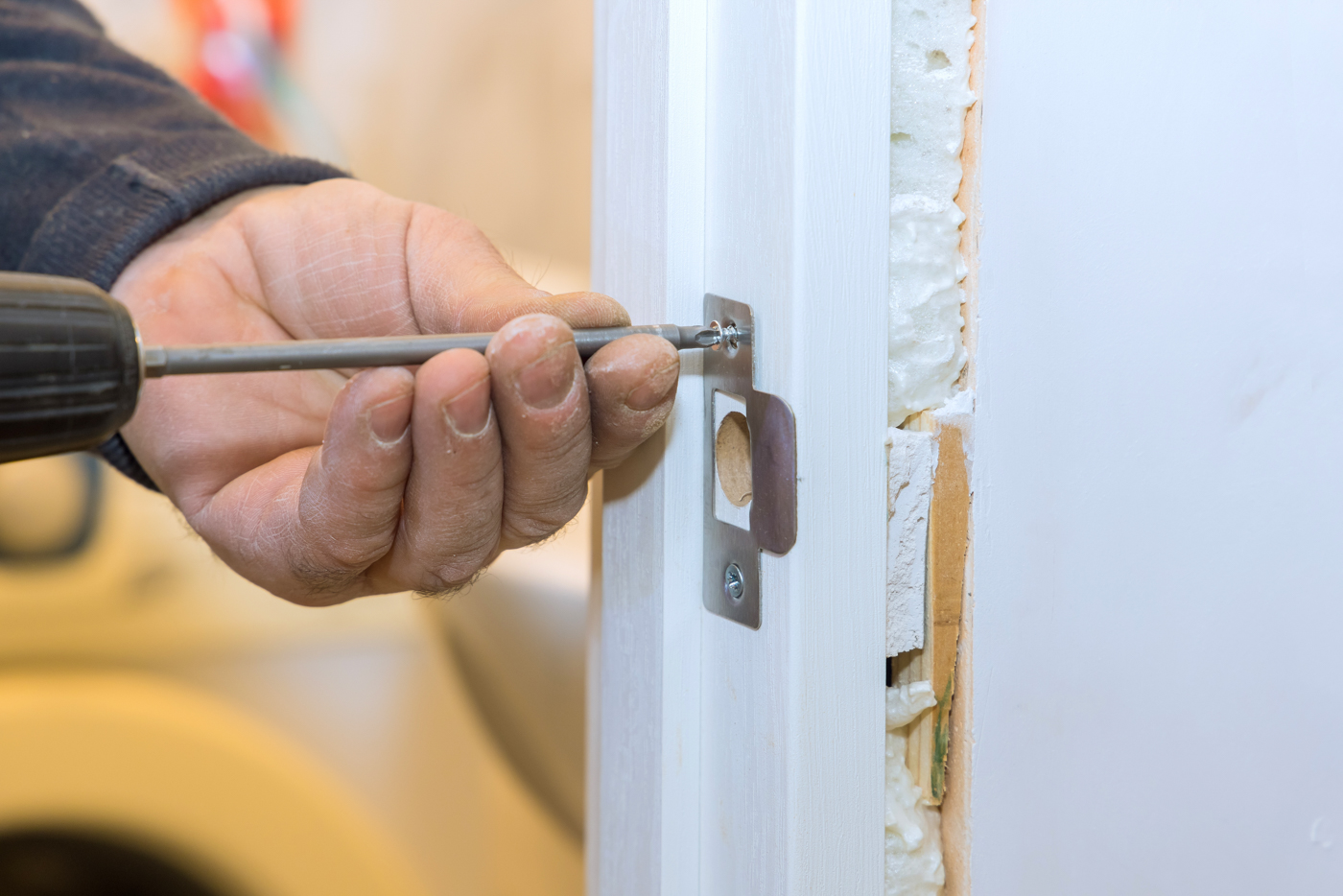
Now that we’ve explored the core differences between electronic locks and mechanical locks, it’s time to look at how to apply this knowledge to real-life scenarios. Every Canadian home and property has unique requirements, and your lock choice should reflect your specific security goals, convenience preferences, and long-term plans.
Assessing Your Lifestyle and Usage Patterns
Before selecting a lock, think about how you and your family interact with your doors daily. Are you often away from home? Do you have children coming and going independently? Do you manage rental properties or host short-term guests? The answers to these questions can help guide your lock selection.
Busy Families
For homes with multiple family members, especially teens and children, modern locks with digital access codes can streamline entry and eliminate key hassles. Each member can have a unique code, and you can monitor usage through your smartphone.
Frequent Travellers
If you’re often out of town or have a second property, electronic locks let you check door status and control access remotely. This is especially useful for vacation homes in places like Muskoka or the Laurentians.
Home-Based Businesses
Running a business from home? Consider smart locks with audit trails so you can see who enters and when. Some models let you set working hours and restrict access after-hours for added security.
Traditionalists
If you prefer simplicity and proven performance, traditional security options like high-grade deadbolts or mortise locks are still an excellent choice. Many homeowners feel more comfortable with a physical key and no reliance on technology.
Evaluating Entry Points and Door Types
Not all locks are suitable for every door. Your choice might vary depending on where you’re installing the lock — front door, garage, back entrance, or interior office door.
Front and Back Doors
- Electronic Locks: Ideal for main entry points where convenience and monitoring are key.
- Mechanical Locks: Best when combined with electronic locks for a layered approach. A deadbolt plus a smart lock offers both reliability and modern convenience.
Garages and Side Entrances
- Electronic Locks: Provide easy access without needing an extra key. Great when carrying groceries or tools.
- Mechanical Locks: Simple deadbolts work well here, especially if you’re on a budget.
Interior Doors and Home Offices
- Electronic Locks: Useful for controlling access to personal offices or sensitive storage areas.
- Mechanical Locks: Basic lever or knob locks are sufficient for low-security internal doors.
If you’re unsure which lock fits your door style or security needs, contact our professional locksmith services for a detailed assessment and recommendations tailored to your home.
Maintenance and Troubleshooting: What Homeowners Should Know
Whether you choose a mechanical or electronic lock, proper maintenance is key to long-term performance. Here’s what you need to know about keeping your locks functioning smoothly year-round in Canadian conditions.
Mechanical Lock Maintenance Tips
- Lubricate keyways: Use graphite or a dry lubricant every 6–12 months to prevent sticking.
- Inspect hardware: Check for loose screws, rust, or worn parts. Replace damaged components promptly.
- Re-key when needed: If you’ve lost a key or moved into a new home, always re-key or replace your locks for safety.
Electronic Lock Maintenance Tips
- Change batteries: Most smart locks will alert you when battery levels are low. Replace them every 6–12 months or as needed.
- Update firmware: Check for software updates to ensure optimal performance and security patches.
- Clean sensors and keypads: Wipe surfaces regularly to maintain responsiveness and prevent dirt build-up.
- Test connectivity: If your lock uses Wi-Fi or Bluetooth, ensure your network is stable and secure.
In case of malfunction or lockout, don’t panic. Our emergency locksmith services are available 24/7 across Canada to help you regain access and repair faulty locks quickly.
Upgrading Your Security: Layered Locking Systems
Security experts often recommend a layered approach to home protection. This means using multiple security measures to reduce the risk of unauthorized entry. Combining modern locks with traditional methods can enhance your safety without sacrificing convenience.
Dual Lock Systems
Install both a mechanical deadbolt and an electronic keypad lock on your main doors. This way, you can use the keypad for everyday access and the deadbolt for added security at night or when you’re away for extended periods.
Smart Surveillance Integration
Pair your electronic locks with video doorbells or smart cameras. You’ll receive real-time notifications and video footage whenever someone attempts to enter. This is especially helpful in urban areas or for homes that receive frequent deliveries.
Alarm Systems and Sensors
Many electronic locks can be integrated with full home security systems. Door sensors can alert you if a door is left open or if someone tries to tamper with the lock. Choose locks that are compatible with Canadian alarm providers for seamless integration.
Environmental Impact and Sustainability
In today’s eco-conscious world, it’s worth considering the environmental footprint of your home security choices. Both electronic and mechanical locks have pros and cons in this area.
Mechanical Locks
- Low energy usage: No batteries or electricity required.
- Long lifespan: Durable materials mean fewer replacements.
- Recyclable components: Most parts can be recycled or reused when properly dismantled.
Electronic Locks
- Battery waste: Regular battery changes can add to landfill waste unless properly recycled.
- Electronic components: Some parts may contain non-recyclable materials.
- Smart energy use: Newer models are designed to be energy-efficient and work with solar or low-power modes.
To reduce environmental impact, choose high-efficiency locks and recycle batteries responsibly. Many Canadian retailers offer free battery recycling programs for household electronics.
Making the Final Decision: Electronic or Mechanical?
Deciding between digital vs traditional locks ultimately comes down to your personal priorities. Here’s a recap of situations where each lock type shines:
Choose Electronic Locks If You:
- Value remote access and smartphone control
- Have multiple users who need unique access codes
- Rent out or manage properties
- Want integration with smart home systems
- Prefer convenience over carrying keys
Choose Mechanical Locks If You:
- Prefer a simple, traditional key-based system
- Live in very cold regions where electronics may malfunction
- Want a lower-cost solution
- Are concerned about hacking or digital privacy
- Need a reliable backup lock for emergencies
Still unsure? A hybrid solution may be your best bet. Many Canadian homeowners opt for a smart lock with a hidden mechanical key override — combining the benefits of both technologies in one secure package.
Professional Help with Lock Selection and Installation
If you’re feeling overwhelmed by all the lock types and features available, you’re not alone. With so many security options on the market, the best choice isn’t always obvious. That’s where we come in.
At Fix Experts, we offer full-service residential locksmith support across Canada. Whether you’re upgrading a single door or securing an entire property, our team will help you compare lock technologies, assess risks, and install the best solution for your needs.
We also specialize in commercial locksmith services, helping businesses secure offices, warehouses, and storefronts with the latest smart lock systems. And if you ever find yourself locked out of your home, business, or vehicle, our certified technicians are just a call away — day or night.
Conclusion: Secure Your Home with Confidence
Whether you prefer the reliability of mechanical locks or the innovation of electronic locks, the most important factor is choosing a system that fits your lifestyle, budget, and security expectations. In Canada’s diverse climate and housing landscape, there’s no one-size-fits-all solution — but with the right information and expert guidance, you can make a confident decision.
From smart homes in Toronto to cabins in BC, Fix Experts has helped thousands of Canadians upgrade their lock technology with reliable, professional service. If you’re ready to take the next step in improving your home’s security, reach out to our experienced team today.
Protect what matters most — with Fix Experts, your trusted local locksmith professionals across Canada.