
Awning window installation can make a big difference in Canadian basements by improving airflow, reducing dampness, and bringing in more daylight. This guide explains how awning windows work, where they fit best, what homeowners should know about installation, and how to choose the right option for comfort, safety, and long-term value.
Why awning windows work so well in Canadian basement spaces
Basements in Canada often deal with three common problems: limited natural light, stale air, and excess moisture. That is why many homeowners look for basement windows that are compact, efficient, and built for tough weather. Awning windows are a strong option because they open outward and help improve ventilation without taking up much interior space.
These windows are especially useful in older homes where small windows were originally installed just to meet basic light and airflow needs. With the right window installation, those basement openings can do much more. They can help control humidity, support better indoor comfort, and make the lower level feel less closed in.
For homeowners exploring modern options, professional window installation is often the best way to ensure the new unit fits properly, seals tightly, and performs well through Canadian winters and wet spring seasons.
What are awning windows?
Awning windows are windows that open outward from the bottom edge in some homeowner discussions, though in standard industry use they are usually top-hinged. In basement projects, people may also search for bottom-hinged windows when comparing styles for small openings. What matters most is the function: these ventilation windows allow fresh air in while helping block light rain and debris better than many sliding styles.
Because awning windows are designed for controlled airflow, they are ideal for Canadian basements where air circulation matters. They can be installed higher on the wall for privacy or lower in a foundation opening depending on the layout of the room and local code requirements.
Main benefits for basement areas
Better moisture control
Moisture control is one of the biggest reasons homeowners choose awning windows for basement spaces. Damp air can lead to musty smells, condensation, and even mould growth. A well-placed window that opens easily encourages regular airflow, which helps remove humid air and supports a drier basement environment.
Improved natural light
Even small windows can make a basement feel brighter. Replacing outdated basement windows with newer awning windows can increase visible glass area and improve how daylight enters the room. More natural light can make a basement office, laundry room, or family space feel more comfortable and welcoming.
Good fit for tight spaces
Many Canadian basements have limited wall space because of utility rooms, furnaces, shelving, or finished layouts. Awning windows work well in these conditions because they are often used in compact openings. They are one of the more practical choices when homeowners need small windows that still provide airflow and energy efficiency.
Energy efficiency in Canadian climates
Cold temperatures, wind, and driving rain are all part of life in many parts of Canada. A properly installed awning window can create a tight seal when closed, which helps reduce drafts and heat loss. This is important in lower levels, where cool air often settles and older window frames may already be under stress from age and moisture.
If your current unit is sticking, leaking, or showing frame damage, expert window repair may help in some cases, but older basement windows often benefit more from full window replacement.
Choosing the right awning windows for basement use
Not every basement is the same. Some are fully finished and used every day, while others are partly below grade and mainly used for storage. The best window choice depends on the room’s purpose, the size of the opening, ventilation goals, and whether emergency escape requirements apply.
When awning windows are the right choice
Awning windows are a smart fit when the main goal is ventilation, moisture control, and better comfort in a small or medium-sized opening. They are often chosen for:
- laundry rooms with high humidity
- basement bathrooms needing airflow
- finished rec rooms that need more fresh air
- utility spaces where simple operation matters
- older Canadian basements with narrow window openings
They are also a good option when homeowners want more airflow than fixed glass can offer, but do not have enough room for larger window systems.
Awning windows vs egress windows
This is an important point for Canadian homeowners. Awning windows and egress windows are not always the same thing. Egress windows are designed to provide an emergency exit, usually from a basement bedroom. To qualify, they must meet local building code requirements for opening size, accessibility, and window well clearance.
Some awning-style units may work in basement spaces, but not all will meet egress requirements. If you are renovating a basement bedroom or creating a legal secondary suite, always check your municipal code and provincial requirements before ordering a window replacement. In many parts of Canada, code compliance is essential for safety, resale, and insurance reasons.
Code and safety considerations
Before any window installation, homeowners should think about:
- minimum opening size for escape and rescue
- window well depth and drainage
- distance from the floor
- easy operation from inside
- screen and hardware design
If you are unsure what applies in your area, working with experienced professionals can save time and prevent costly mistakes. You can learn more about available doors and windows services for basement upgrades, repairs, and full replacements.
Frame and glass options that make sense in Canada
Material choice matters in Canadian basements because lower-level windows are exposed to moisture, shifting temperatures, and sometimes heavy snow around the foundation. Vinyl frames are popular because they are low maintenance and resist rot. Energy-efficient glass with double or triple panes can also help improve indoor comfort and reduce heat loss.
Homeowners may also want to consider:
- Low-E glass for better thermal performance
- argon-filled panes for insulation
- durable locks for added security
- easy-clean hardware for hard-to-reach spaces
For homes in colder regions or windy neighbourhoods, these upgrades can make a noticeable difference over time.
What to expect during basement window installation
Installing awning windows in a basement is not always a simple swap. In some homes, the opening may need adjustment. In others, there may be hidden issues such as water damage, cracked sealant, or poor drainage outside the foundation wall. That is why a careful inspection is an important first step.
Common steps in the installation process
A typical basement window installation may include:
- measuring the existing opening
- checking the condition of the frame and surrounding wall
- removing the old unit
- repairing damaged areas if needed
- installing and levelling the new window
- insulating and sealing the perimeter
- testing operation and lock function
Proper sealing is especially important in Canadian basements. Even a small gap can allow drafts, water intrusion, or condensation problems. Good installation supports long-term performance and helps protect the surrounding wall structure.
DIY or hire a professional?
Some skilled homeowners may be comfortable replacing very small windows, but basement conditions often make the job more complex than it seems. Concrete openings, drainage concerns, and code issues can all affect the result. If the project involves enlarging the opening, improving egress, or dealing with water entry, professional help is usually the safer choice.
Working with an experienced local team can also help you choose the right basement windows for your layout, budget, and climate. If you want advice tailored to your home, you can contact Fix Experts for practical guidance on repair, window replacement, and installation options across Canadian communities.
Practical tips before you start
- Inspect for signs of mould, peeling paint, or condensation around the old window.
- Check whether the room needs an egress window under local code.
- Think about how much ventilation and natural light you want.
- Choose materials that can handle moisture and temperature swings.
- Do not ignore exterior grading and window well drainage.
When chosen and installed properly, awning windows can turn a dark, damp basement into a brighter and healthier part of the home. They are a practical solution for Canadian basements that need better airflow, better comfort, and better performance year-round.
How to plan a basement window replacement that lasts
If you are moving ahead with window replacement in a basement, it helps to look beyond the window itself. In many Canadian basements, long-term performance depends on how well the full opening is prepared, sealed, and protected from outside moisture. A good-looking unit will not do much if the surrounding wall, sill, or window well is already allowing water in.
Before choosing new awning windows, take time to assess the condition of the area around the old frame. Look for soft trim, staining, crumbling caulking, and signs of repeated condensation. These issues can point to poor insulation or hidden leaks. In some homes, replacing outdated basement windows is also a chance to improve comfort in the whole lower level, especially if the room feels cold in winter or stuffy in summer.
Signs your basement windows need replacement
Homeowners often wait until a window fully fails, but there are early warning signs that should not be ignored. Common signs include:
- drafts around the frame
- condensation between glass panes
- difficulty opening or locking the sash
- water stains on nearby drywall or trim
- musty smells near the window area
- visible rust, rot, or frame warping
When these problems show up, a simple repair may not always be enough. Older small windows in Canadian basements often have poor insulation values and limited airflow. Upgrading to modern ventilation windows can improve both energy performance and day-to-day comfort.
Why drainage and grading matter
One of the biggest reasons basement windows fail is not the window product itself, but the condition outside. If water collects near the foundation, even a quality installation can be put under stress. That is why proper grading, drainage, and window well design should always be part of the conversation.
For below-grade or partly below-grade basement windows, homeowners should check:
- whether the soil slopes away from the house
- if the window well has gravel and proper drainage
- whether downspouts are directing water away from the foundation
- if leaves and debris are blocking drainage paths
These details play a major role in moisture control. In wet spring weather or during freeze-thaw cycles, poor drainage can lead to leaks, mould, and damage around the opening. If you are planning broader upgrades, it may help to review available home improvement services that support a healthier and more durable basement space.
Choosing the best size and style for the room
Awning windows are often chosen because they fit well in compact openings, but size still matters. A laundry room may only need modest airflow, while a finished rec room may benefit from a larger glass area for natural light. In some cases, homeowners comparing awning windows with bottom-hinged windows are really trying to find the best balance between ventilation, privacy, and ease of use.
For finished spaces, think about how the room is used every day. If the basement is a home office, gym, or guest area, brighter windows can make the space feel more open. If it is mainly a utility room, the priority may be durability and moisture control rather than maximum glass size.
Installation details that matter in Canadian basements
Basement window installation has to stand up to real Canadian conditions. Snow buildup, heavy rain, shifting temperatures, and damp soil all affect how a window performs over time. That is why proper flashing, insulation, and sealing are just as important as the frame and glass you choose.
What professional installers pay close attention to
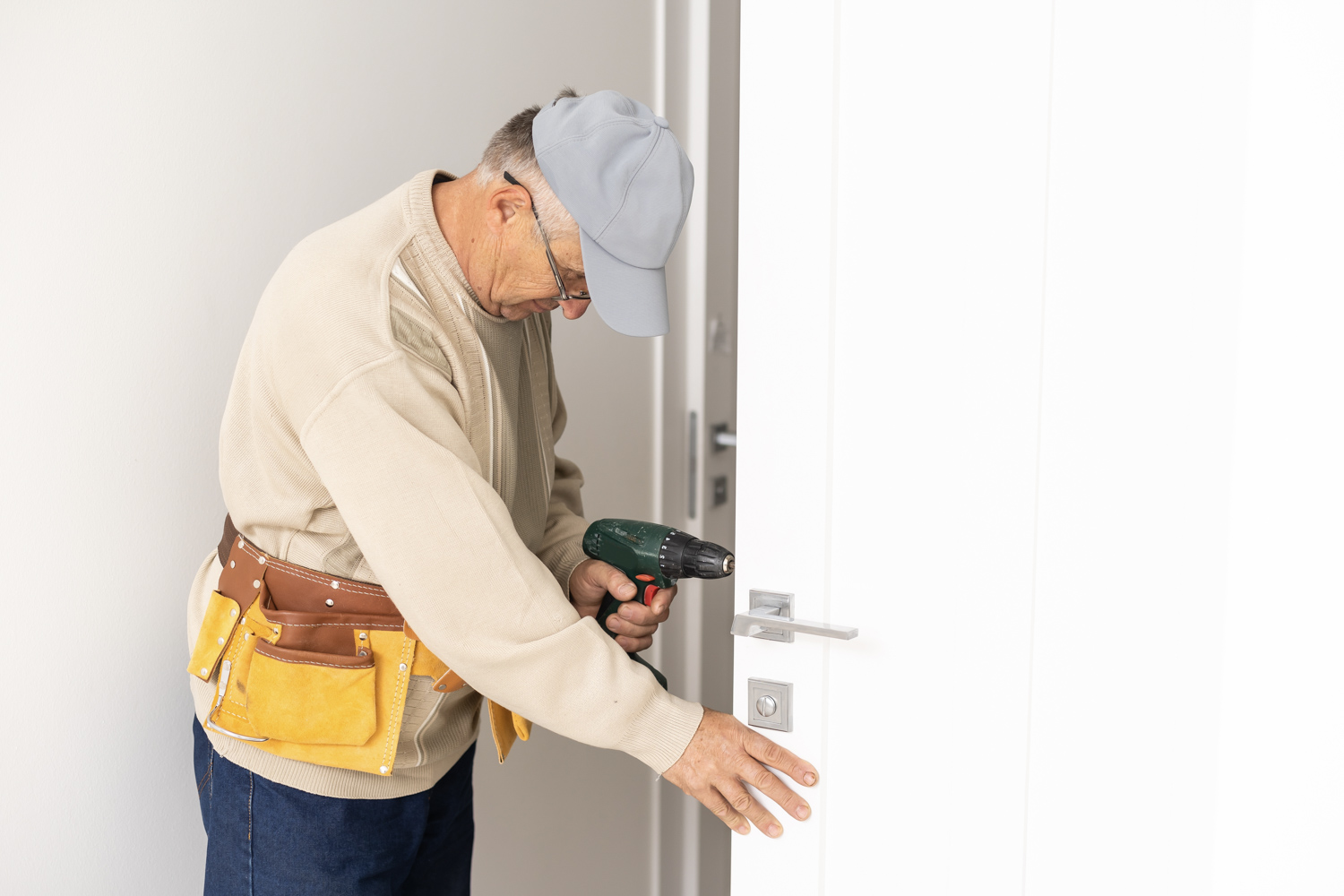
Experienced installers know that basement openings can be uneven, especially in older homes. Concrete walls may have settled slightly, and previous repairs may have changed the shape of the opening. During window installation, careful levelling and shimming help the sash operate properly and create a tight seal.
A strong installation also includes:
- weather-resistant sealing around the perimeter
- insulation that reduces drafts without blocking drainage
- secure fastening suited to masonry or foundation walls
- proper exterior finishing to protect against water entry
These steps are important whether you are replacing one basement window or upgrading several small windows throughout the home. If you are comparing options, professional window installation services can help ensure the finished result is efficient, code-aware, and built for the local climate.
Special considerations for egress windows
If a basement room is used as a bedroom, egress windows may be required by code. This is where many homeowners run into confusion. A standard awning window may offer good ventilation and natural light, but it may not provide a large enough clear opening for emergency escape.
Where egress windows are needed, the project may involve more than a simple replacement. The opening may need to be enlarged, the window well adjusted, or the surrounding structure upgraded to meet local requirements. Rules can vary by municipality, so homeowners in Toronto, Ottawa, Mississauga, and other Canadian cities should always confirm the current code before finalizing the design.
Questions to ask before ordering
- Will this window meet the required clear opening for escape?
- Can it be opened fully without special tools or force?
- Does the window well allow safe exit?
- Will snow, landscaping, or covers block operation?
These are practical questions that can prevent expensive changes later. They are especially important in legal basement apartments and secondary suites, where safety compliance matters for both occupants and property owners.
Balancing airflow, security, and efficiency
Modern awning windows can do more than simply open and close. Many homeowners now look for secure locking hardware, insulated glass, and frames that resist moisture damage. In Canadian basements, this combination is valuable because it supports year-round comfort while helping protect the home.
Good ventilation windows can reduce stale air and support moisture control, but they should still lock tightly and seal well when closed. This is where product quality and installation quality work together. A well-made unit that is poorly installed may still leak, while a proper fit can help even compact small windows perform better.
If your basement windows are part of a larger property upgrade, it may also be useful to explore complete doors and windows solutions for coordinated repairs and replacements throughout the home.
Making the most of your basement after installation
Once new awning windows are installed, a few simple habits can help protect your investment. Keep the window wells clear, check caulking seasonally, and watch for signs of condensation during very cold weather. Even high-quality basement windows benefit from regular maintenance, especially in regions with harsh winters and wet springs.
Simple maintenance tips for homeowners
- Clean dirt and debris from the window track and hardware
- Inspect seals and caulking at least once a year
- Clear leaves and snow away from exterior wells
- Use a dehumidifier if the basement still feels damp
- Open the windows regularly when weather allows for fresh air
These small steps can help extend the life of your window replacement and support a more comfortable basement environment. They also help preserve the benefits homeowners want most: better natural light, improved ventilation, and stronger moisture control.
A smart upgrade for comfort and value
For many Canadian homeowners, replacing old basement windows is one of the most practical ways to improve a lower-level space. Awning windows are especially useful where airflow, energy efficiency, and compact sizing all matter. They can brighten dark rooms, reduce dampness, and make finished or unfinished Canadian basements more usable throughout the year.
If you are planning a basement update, Fortify Services can help you choose the right solution for your space, whether you need standard basement windows, ventilation windows, or guidance on egress windows and code-related upgrades. To get expert advice and book a professional assessment, contact our window specialists today.